
A 40-year building recertification is one of the most significant compliance milestones a property can face, and if your HOA or condo association is approaching that threshold, knowing what lies ahead makes the whole process far less stressful. The good news is that with the right engineering partner and a little preparation, recertification is very manageable. Here is a clear picture of what to expect and how to get your association ready.
Why the 40-Year Recertification Exists
Florida’s recertification requirements were put in place to confirm that aging buildings remain structurally sound and electrically safe for continued occupancy. After 40 years of exposure to heat, humidity, salt air, and the kind of wind and water stress that coastal life brings, even well-built structures can develop issues that are not visible to the untrained eye. For properties in Fort Lauderdale, Hallandale Beach, Hollywood, Aventura, Sunny Isles Beach, and surrounding areas, the coastal environment accelerates wear in ways that simply do not apply inland. Concrete spalls. Rebar corrodes. Waterproofing systems fail quietly over decades. The recertification process is designed to catch those problems before they become emergencies.
It is worth noting that following the Surfside tragedy, Florida significantly strengthened its structural inspection laws. Milestone inspections are now required at 25 years for buildings within three miles of the coast, and every 10 years after that. Many older buildings are working through both milestone inspection requirements and 40-year recertification at the same time, so it pays to understand how those two processes overlap.
What the Process Actually Looks Like
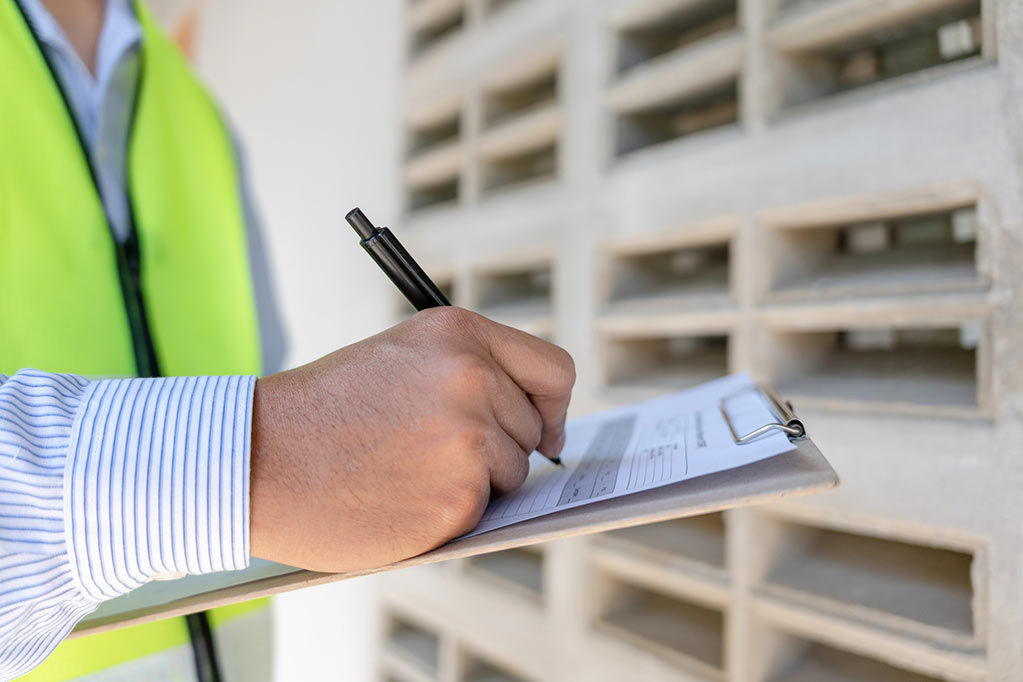
The recertification begins with a thorough structural and electrical inspection conducted by a licensed engineer. A qualified structural engineer will examine the building’s foundation, load-bearing elements, columns, beams, slabs, and any areas showing signs of distress. On the electrical side, a licensed electrical engineer reviews the main service panels, wiring, and system components for code compliance and safety.
After the inspections, the engineer prepares a report for the local building department. If the building passes without issues, a recertification letter is issued and you are done until the next cycle. If deficiencies are found, the building department will require a repair plan and documentation showing that the work has been completed. That is where having an engineering firm that also handles concrete restoration and water mitigation is genuinely valuable. We can take a building from initial inspection through repair scope, permitting, and final recertification without the association having to coordinate multiple separate firms.
How to Prepare Your HOA Before the Inspection
Preparation is not about hiding problems; it is about making sure the inspection goes smoothly and that your board is not caught off guard by findings that could have been anticipated.
Start by pulling together your building records. Original construction documents, previous inspection reports, repair permits, and any engineering studies your association has commissioned over the years are all useful context for the inspecting engineer. If records are incomplete, let your engineer know upfront rather than discovering gaps during the process.
Walk the property with an informed eye before the inspection. Look for visible concrete cracking or spalling, staining on exterior surfaces, areas where water has been pooling, and any previous repairs that may not have been fully documented. You do not need to interpret what you see; just note it so you can point it out and ask questions.
Communicate early with your residents and owners. Boards in Hallandale Beach, Aventura, and Fort Lauderdale communities sometimes run into delays simply because unit access is needed and owners are not prepared. Give residents clear notice that inspectors may need to access balconies, parking areas, or common mechanical spaces, and make that coordination easy.
Finally, review your reserve fund situation before the inspection results come in. If your building has deferred maintenance, the recertification report may require repairs on a defined timeline. Knowing your financial position in advance lets the board respond quickly rather than scrambling after the fact.
Working with an Engineering Firm That Knows Coastal Buildings
Not every structural engineering firm has deep experience with South Florida’s coastal building stock. We have been working on buildings throughout Fort Lauderdale, Hollywood, Miami Beach, Sunny Isles Beach, and surrounding areas since 1984, and the coastal environment is the core of what we do. Our team includes licensed structural engineers, building engineers, and architects who have completed recertifications for condominium associations, HOAs, and commercial properties of all sizes. We are familiar with how local building departments process these reports, and we can help your board stay on schedule and in compliance every step of the way.
If your building is approaching its 40-year mark, or if you have already received a notice from your municipality, please give us a call or drop us an email. We are happy to walk you through the process and answer any questions your board may have.
